



 Contact
Copyright GK Dynamics Inc., All Rights Reserved.

Copyright GK Dynamics Inc., All Rights Reserved.


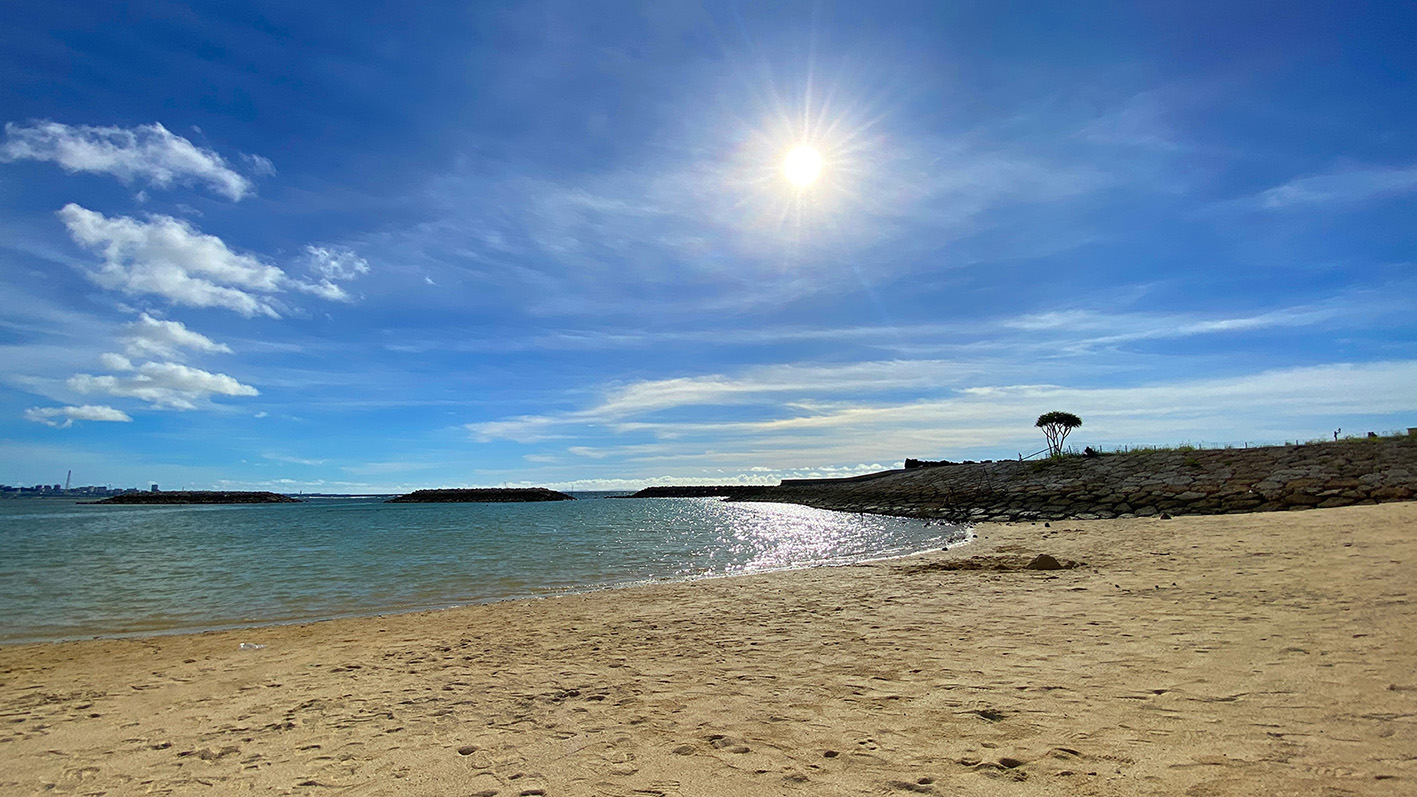
This summer, people talked a lot about an extreme heat wave in Japan’s northern island of Hokkaido as it registered nearly 40 degrees Celsius, the highest temperature on record. Honestly, I can hardly bear the extremely hot summers in recent years, which seem to have been caused by climate aberrations such as global warming and heat-island effects.
Under such circumstances, I visited my wife’s parents living in Okinawa, Japan’ southern-most island, with my family in August this year during our summer vacation. About 20 years ago, when I visited Okinawa as a student, I was able to feel a difference between temperatures in Tokyo and Okinawa. Such temperature gaps, combined with the travel distance between the two cities, caused me a feeling that I landed in a completely different world. But in recent years, I have been less able to have such feelings. So, I tried to see how the temperatures have changed in the two cities and found that Okinawa registered 36.0 degrees Celsius, a record high, in July 2024 while in Tokyo, the highest-ever temperature of 39.5 degrees Celsius was recorded in the same month of the year. The Japan Meteorological Agency says the national average temperature is expected to rise two to three degrees Celsius (four degrees Celsius in some places of Hokkaido) from the current level in 100 years from now. if that happens, the stereotyped notion that it’s cool in Hokkaido and hot in Okinawa will need to be re-examined. It is possible that Okinawa will become a place for getting relief from heat. Climate variations like this will not only push up average temperatures but also force us to change our standard of values in life.
Ikuya Taguchi
CMFG Design Dept.
Unit Leader