


 Contact
Copyright GK Dynamics Inc., All Rights Reserved.

Copyright GK Dynamics Inc., All Rights Reserved.


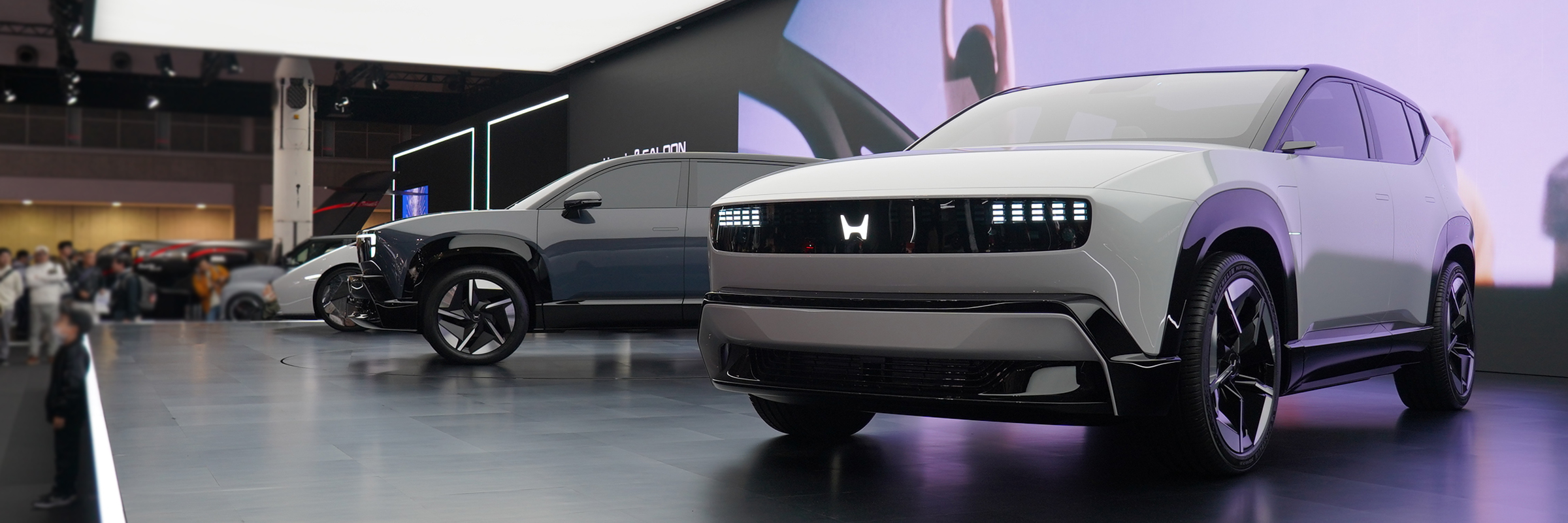
A short while ago, Japanese car maker Honda reportedly decided to cancel the development of its three EV models including “Honda 0 series.” These models attracted attention at last year’s Mobility Show, but their future possibilities of mass production and driving on public roads have been eliminated. The news must have been so disappointing for people involved in their development project. Even in the automotive industry, I wonder how many futures have vanished without becoming a reality.
In the late 1990s, when I started working at GK Dynamics, it was common knowledge in the car industry that Ballard Power Systems’ fuel cell technology would lead the future of the automotive world. In 2008, India’s Tata Motors unveiled the Nano, a car priced at 100,000 rupees. Media reports said this low-cost car from India would dominate the markets in developing countries. However, the Nano, which failed to compete with Suzuki’s used cars with air conditioners, ended up being discontinued 10 years later. Next came the projects of self-driving cars from Apple and Dyson. Despite enormous investment in human resources and funds, they also fizzled out without achieving their goals.
It makes you feel good if you are swayed by a trending future story and look down on those questioning it, calling them fools who refuse to look at the future to come. But that’s probably something like drug-induced euphoria. To act with ethical responsibility and avoid unnecessary losses, I always want to maintain my composure.
Context Design Dept.
Master Dssigner
Satoshi Yoshida